How to Stay Fit Through the Decades: Is Age a Factor?
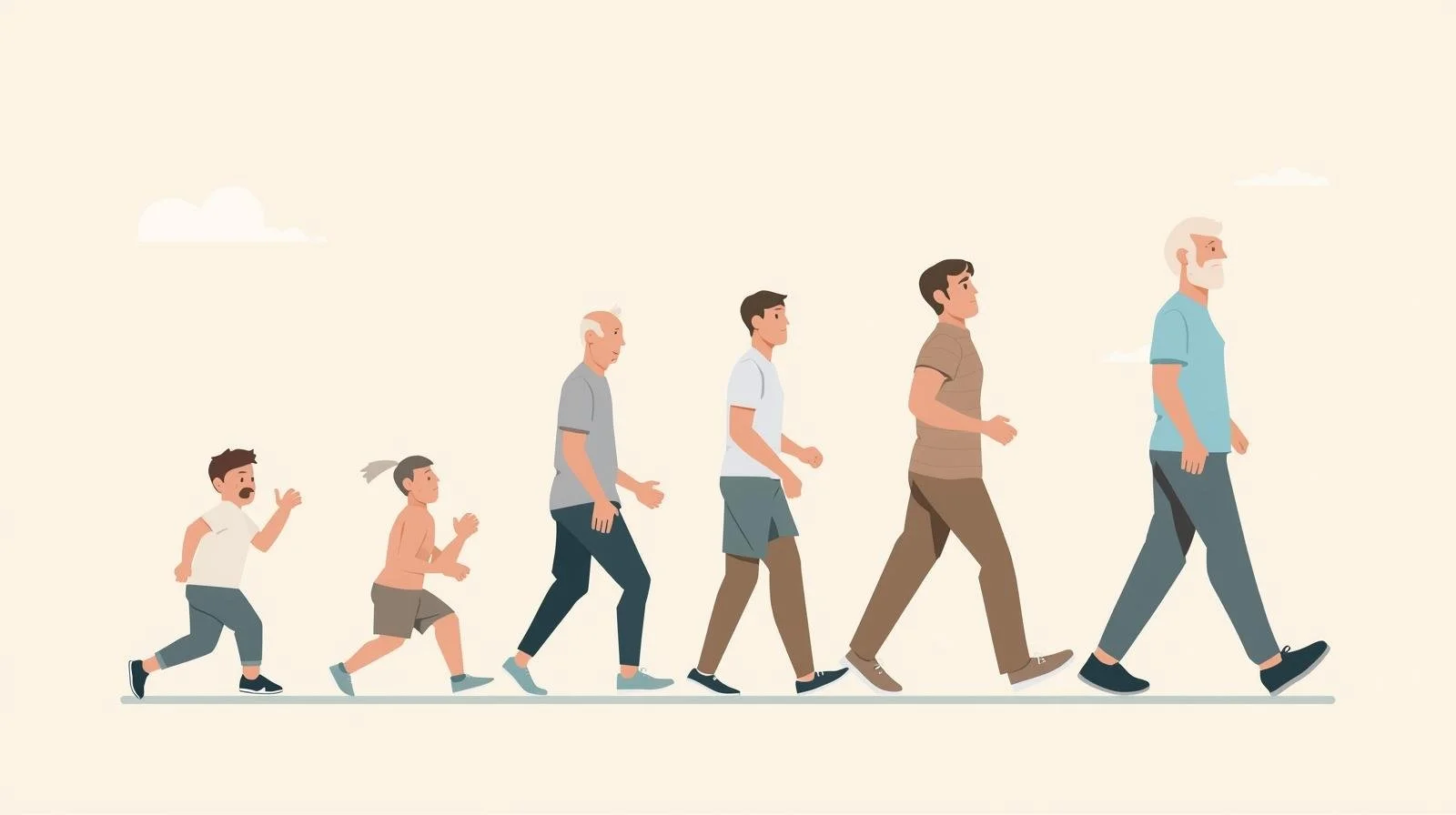
Age does change the body—but it does not remove the body’s ability to adapt.
What changes with age:
Recovery speed
Joint tolerance
Hormonal environment
Margin for error
What does not change:
The body’s response to resistance
The benefits of movement
The value of consistency
Fitness is not about staying young.
It’s about staying capable.
Why Starting Early Matters

Starting early creates advantages that compound for decades.
Early movement and training:
Builds higher peak muscle mass
Improves bone density before age-related decline
Develops coordination and confidence
Establishes movement as a normal part of life
Early fitness doesn’t prevent aging—but it gives you more reserve to draw from later.
Why It’s Never Too Late to Start
The belief that fitness has an expiration date is one of the most damaging myths.
Even later in life, training can:
Build strength
Improve balance and coordination
Reduce fall risk
Increase independence
Improve quality of life quickly
The body remains adaptable far longer than most people think.

Fitness Priorities by Age
Infancy & Early Childhood (0–10 Years Old)

Fitness here is play, not training.
Focus on:
Free movement (crawling, climbing, running, jumping)
Balance and coordination
Exploration and curiosity
Enjoyment, not structure
Avoid:
Early specialization
Formal strength training
Pressure-driven sports
Goal: Physical literacy, confidence, and joy in movement.
Teens (10–19)
Focus on:
Learning basic movement patterns
Playing multiple sports
Building confidence and coordination
Developing healthy habits
Goal: Skill development and enjoyment.
20s (20–29)

Focus on:
Building muscle and strength
Learning proper lifting technique
Establishing consistency
Recovering well (don’t abuse it)
Goal: Build capacity and long-term habits.
30s (30–39)
Focus on:
Training efficiency
Stress and sleep management
Maintaining strength
Preventative mobility work
Goal: Sustainability and balance.
40s (40–49)
Focus on:
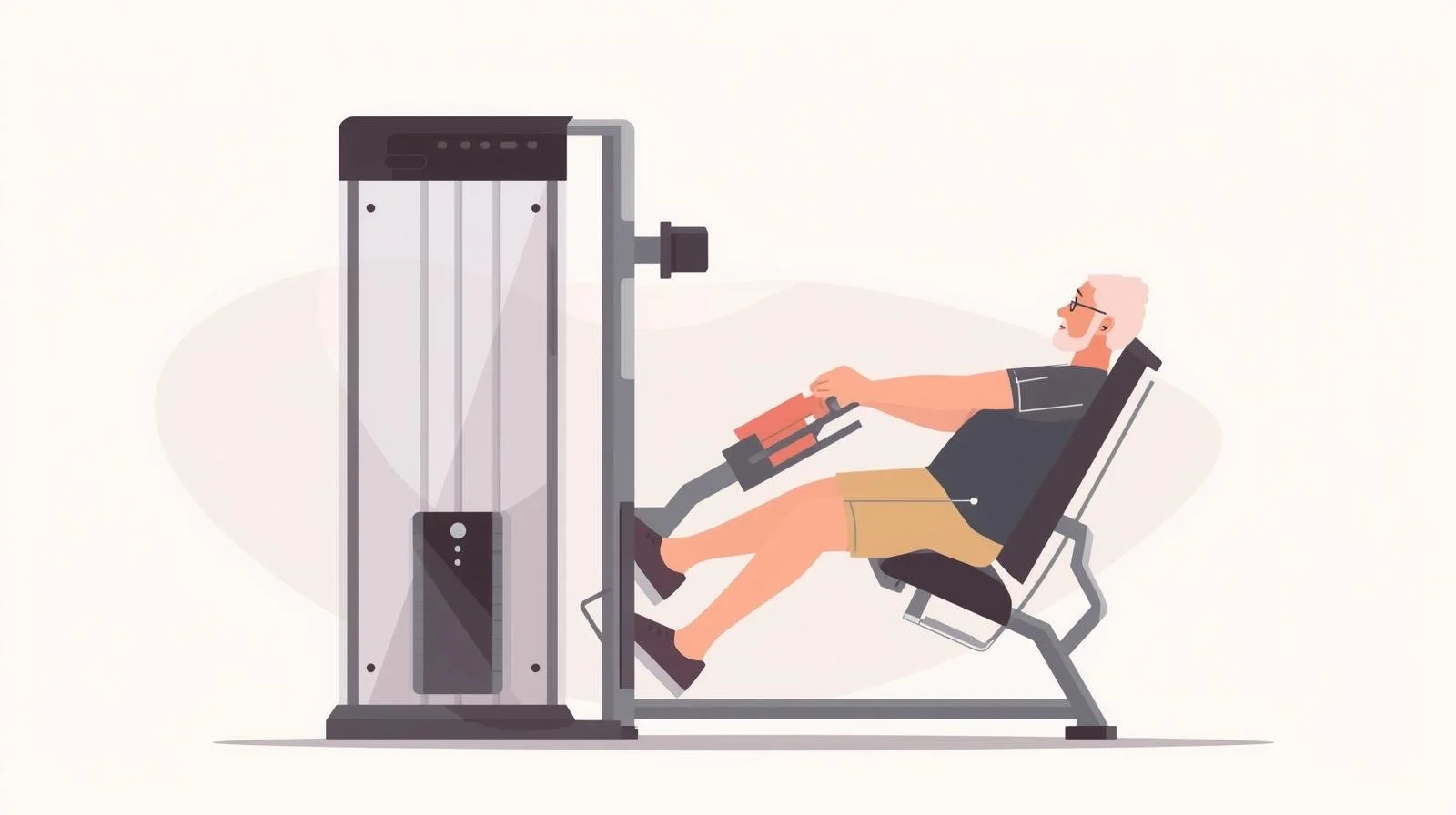
Preserving muscle mass
Reducing unnecessary joint stress
Training smarter, not harder
Staying consistent despite slower recovery
Goal: Preservation and performance.
50s (50–59)
Focus on:
Strength training 2–3x per week
Balance and coordination
Bone density
Daily movement
Goal: Resilience and independence.
60s (60–69)

Focus on:
Posture and joint health
Walking and low-impact cardio
Continued resistance training
Avoiding long periods of inactivity
Goal: Capability and confidence.
70s (70–79)
Focus on:
Fall prevention
Grip and leg strength
Balance training
Social movement
Goal: Stability and function.
80s (80–89)

Focus on:
Sit-to-stand strength
Carrying and reaching
Gentle resistance work
Daily movement
Goal: Independence in daily life.
90s (90–99)
Focus on:
Mobility and posture
Walking and standing ability
Very light resistance
Daily circulation
Goal: Maintain autonomy.
100s (100–109)

Focus on:
Assisted movement
Joint motion
Balance support
Comfort and engagement
Goal: Quality of life.
110–120
Focus on:
Gentle daily movement
Supported strength and mobility
Dignity, comfort, and connection
Goal: Vitality and comfort.
Why Resistance Training Matters at Every Age
Resistance training:
Preserves muscle and bone
Supports joint health
Improves insulin sensitivity
Maintains independence
Age does not make strength training ineffective.
Inactivity does.
Recovery Becomes the Skill

As decades pass:
Sleep matters more
Nutrition quality matters more
Stress management matters more
Rest days matter more
Train hard without recovery and decline accelerates.
Train smart with recovery and capability lasts.
Key Takeaways
Age affects recovery, not adaptability
Starting early builds lifelong reserves
It’s never too late to improve fitness
Strength training matters at every age
Fitness supports independence and quality of life
Final Thought
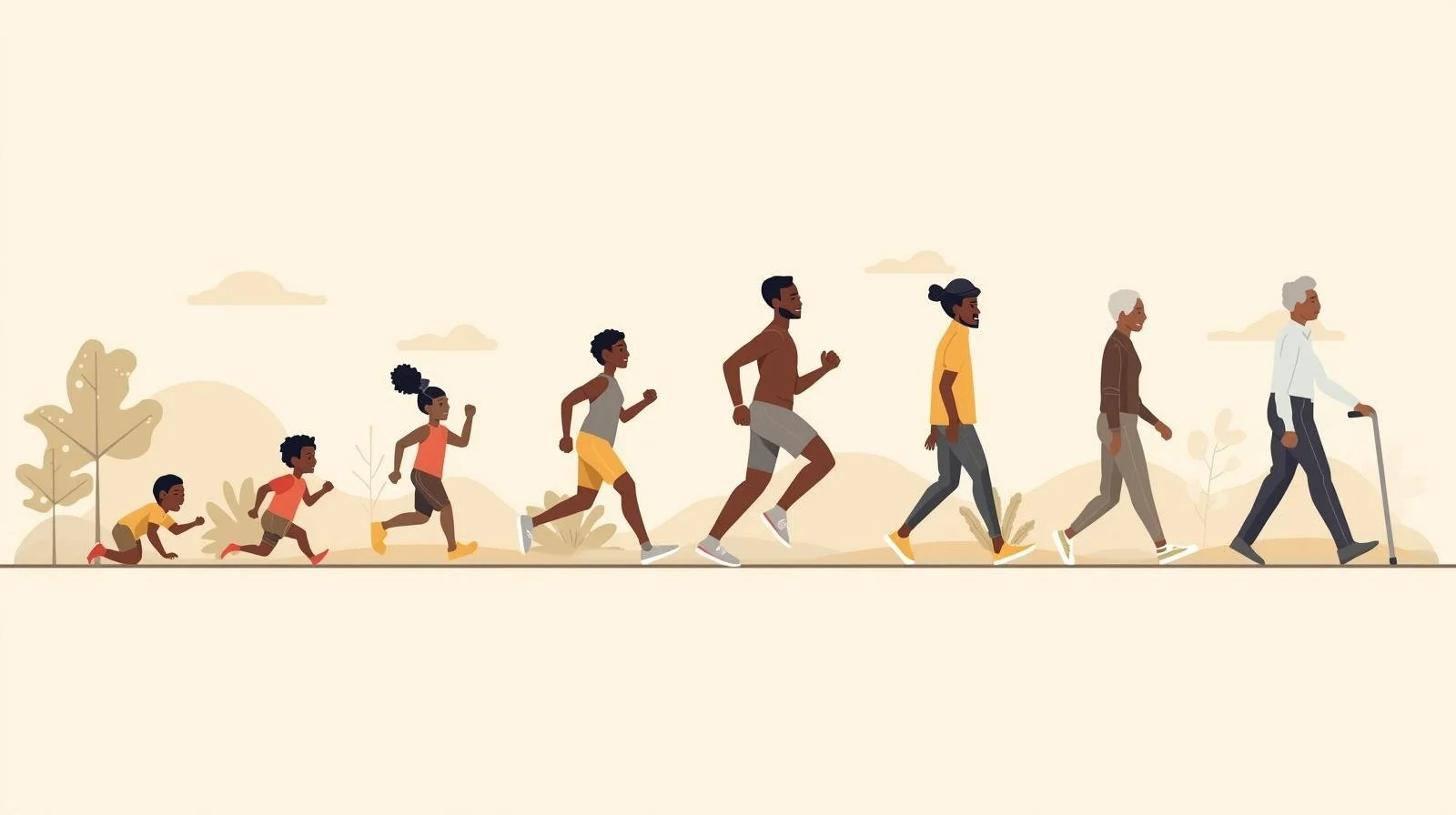
Age is not the enemy.
Neglect is.
Train with intention.
Adapt with intelligence.
And fitness can stay with you for a lifetime.
Work With William Lomax
If you want guidance on training intelligently for your age, lifestyle, and long-term health, work with William Lomax at WholeMax Performance.
Training options:
In-person coaching at Exile Fitness or Ground Control Baltimore
Online coaching from anywhere
Email: coachlomax@wholemaxperformance.com
Website: https://www.wholemaxperformance.com
Instagram: @wholemax
Support William Lomax
If this article provided value and you’d like to support the work or show appreciation, you’re welcome to contribute.
Venmo: @wholemax
Cash App: @wholemax
Zelle: 301-741-0238
Your support helps sustain thoughtful, long-term fitness education focused on health, performance, and longevity.