Body “Recomposition”: Turning Fat Into Muscle Permanently

“Turning fat into muscle” is a common phrase in fitness, but it oversimplifies what actually happens in the body. Fat does not convert into muscle. Instead, body recomposition occurs when fat mass decreases while lean muscle mass increases or is preserved.
This article explains what body “recomposition” really is, how it works, and—most importantly—what a realistic, healthy timeline looks like for lasting results.
Clearing Up the Myth of Fat turning to Muscle

Fat tissue and muscle tissue are biologically different. One cannot transform into the other.
What changes during body recomposition:
Fat mass decreases
Lean mass increases or is preserved
Strength, posture, and metabolic health improve
Visually, this can look like fat turning into muscle, but internally the body is adapting to training and nutrition demands.
What Body Recomposition Actually Means
Body recomposition focuses on changing body composition, not just body weight.
It prioritizes:
Muscle preservation and growth
Fat loss without metabolic damage
Long-term sustainability
This is why the scale often stays the same while the body looks and functions very differently.
Why Body Recomposition Is Sustainable

Aggressive fat loss strategies often result in muscle loss, metabolic slowdown, and rebound weight gain.
Recomposition avoids these outcomes by:
Preserving muscle mass
Supporting hormonal health
Improving insulin sensitivity
Muscle plays a key role in long-term fat management and overall health.
Resistance Training Is Non-Negotiable

Strength training provides the stimulus required for muscle retention and growth.
Effective training emphasizes:
Compound movements
Progressive overload
Recovery and consistency
More volume is not better—progressive, well-planned training is.
Nutrition for Body Recomposition

Body recomposition requires eating enough to support training while creating the conditions for fat loss. Extreme dieting works against this goal.
Key principles:
Protein first:
Aim for 0.6–0.8 g per lb of lean body mass per day, spread across meals.Carbohydrates support training:
Use carbs to fuel workouts and recovery; adjust intake based on activity.Dietary fat supports hormones:
Include moderate fat from whole foods; avoid extremes.Calories matter, but extremes fail:
Maintenance or a small deficit works better than aggressive restriction.Consistency beats precision:
Regular meals, adequate protein, and sustainable habits matter more than perfect timing.
A “recomposition” diet should support performance, recovery, and long-term adherence—not short-term weight loss.
Reasonable and Healthy Expectations: How Long Does Body Recomposition Take?
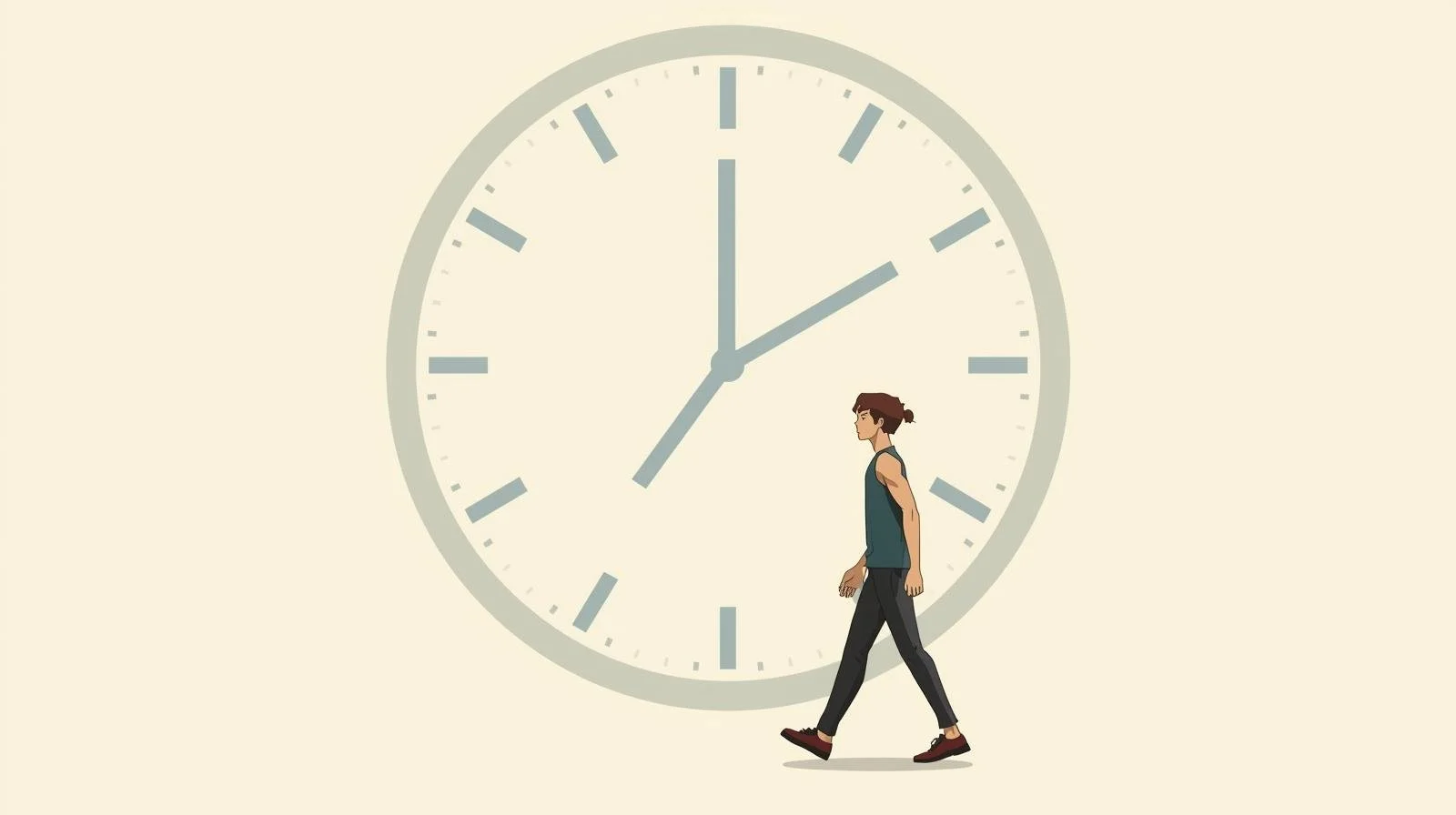
One of the biggest reasons people abandon body recomposition is unrealistic expectations. Sustainable change takes time.
Short-Term (0–4 Weeks)
Improvements in strength and training performance
Reduced bloating and inflammation
Better energy and recovery
Minimal visual change
This phase builds the foundation. Physical changes are subtle but important.

Early Visual Changes (4–8 Weeks)
Slight fat loss
Improved muscle tone
Clothing fit changes
Strength increases become noticeable
Progress is occurring even if scale weight stays the same.
Noticeable Recomposition (8–16 Weeks)
Clear changes in body shape
Visible muscle definition
Reduced waist or hip measurements
Improved athletic performance

This is when most people begin to “see” recomposition happening.
Long-Term, Sustainable Results (6–12+ Months)
Significant body composition change
Higher baseline strength and muscle mass
Easier fat maintenance
Improved metabolic health
Permanent results are built over months and years, not weeks.
Factors That Influence the Timeline
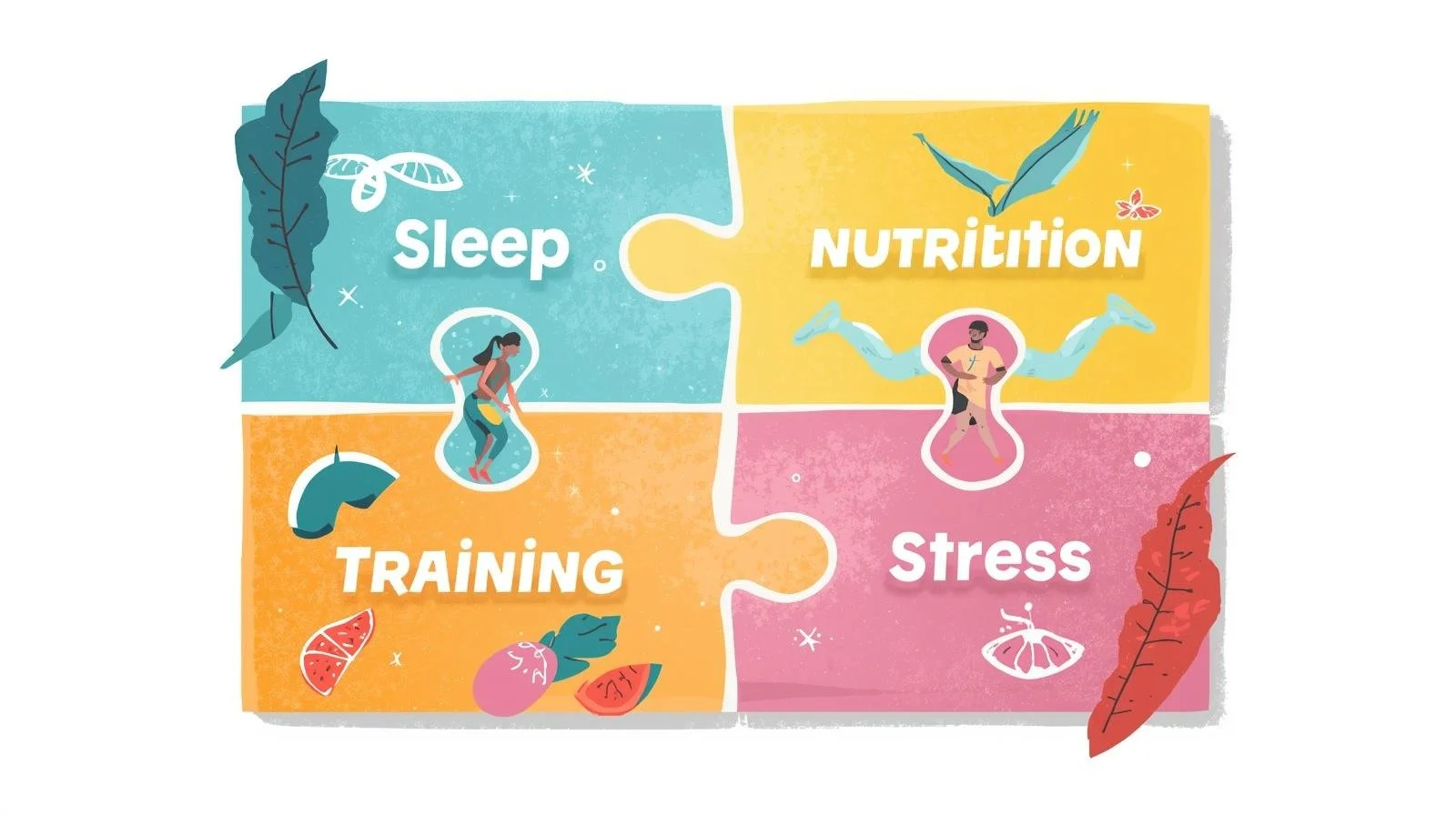
Training history (beginners progress faster)
Starting body fat percentage
Sleep and stress management
Protein intake and recovery
Consistency, not intensity
There is no universal timeline—only a personal one.
Recovery, Hormones, and the Nervous System
Sleep, stress, and recovery directly influence fat loss and muscle gain.
Poor recovery:
Slows progress
Increases fat storage
Reduces training quality
increases inflammation
Adequate sleep and low-intensity movement are essential.
Why Permanent Results Are Behavioral
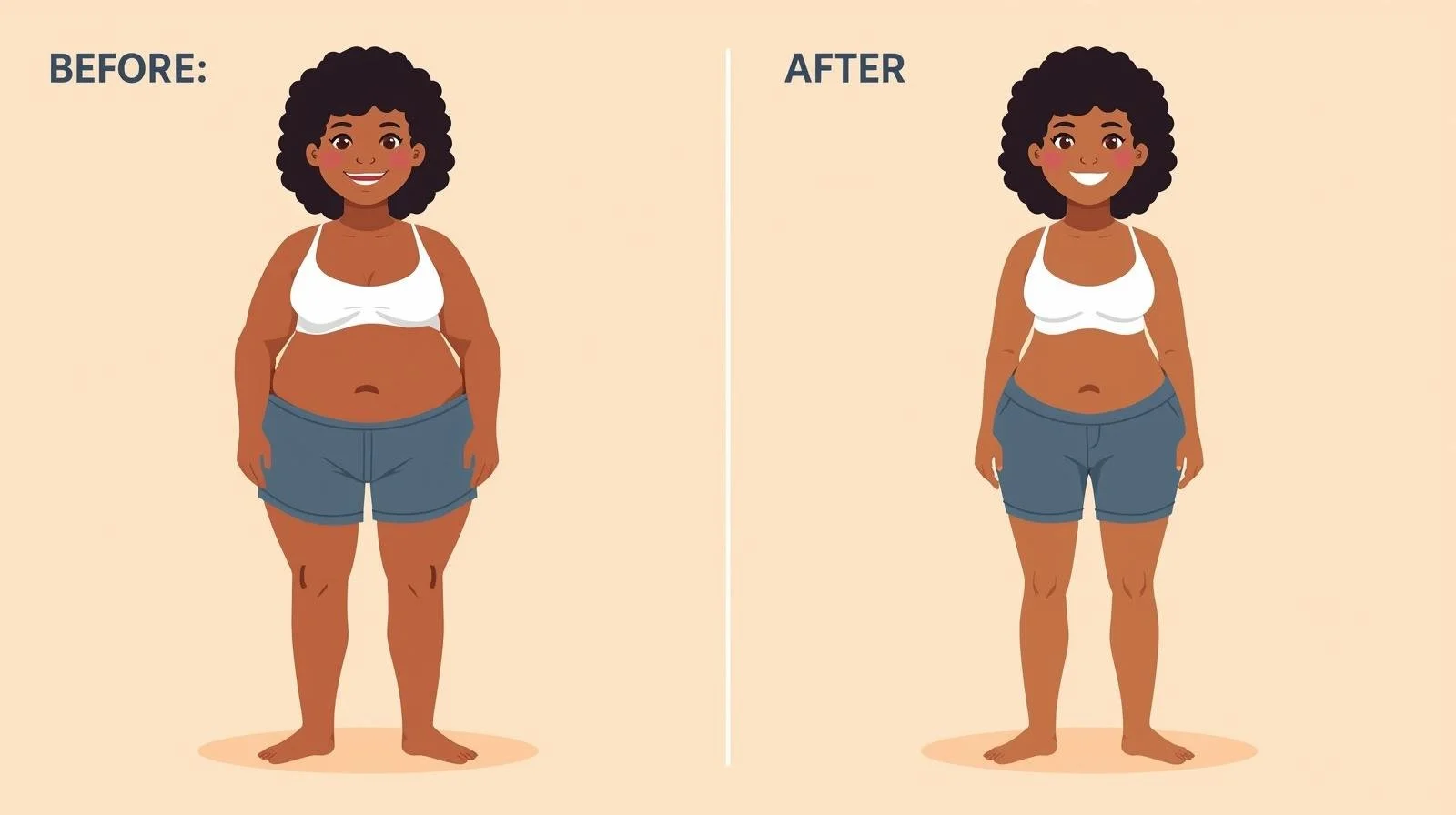
Long-term “recomposition” success comes from lifestyle habits, not challenges or boot camps.
Permanent change occurs when:
Training becomes part of your lifestyle
Nutrition supports life instead of controlling it
Progress is measured beyond the scale
Expanded FAQs

Can fat turn into muscle?
No. Body recomposition involves fat loss and muscle gain occurring at the same time.
How fast should I expect results?
Expect subtle changes in the 4 -6 weeks and visible changes within 8–16 weeks.
Why hasn’t the scale changed?
Calorie intake is too high. Food quality/freshness is too low.
Does age affect recomposition?
Progress is possible at any age, though recovery time between workouts increase over time.
Do I need to train every day?
No. Quality training and recovery matter more than frequency and proper nutrition matters the most
Can I “recomposition” without tracking food?
Yes, but rarely
Key Takeaways
Body recomposition is real, but not instant
Strength training is essential
Sustainable timelines lead to permanent results
Looking fit requires living fit most of the time
Work With William Lomax

If you want a realistic, personalized body recomposition plan—one built for long-term success—connect with William Lomax at WholeMax Performance.
Train in-person at Exile Fitness or Ground Control Baltimore, or online from anywhere.
Email: coachlomax@wholemaxperformance.com
Website: https://www.wholemaxperformance.com
Instagram: @wholemax
Build muscle. Reduce fat. Keep the results.