Habits that Heal, Support, and Fortify Digestion
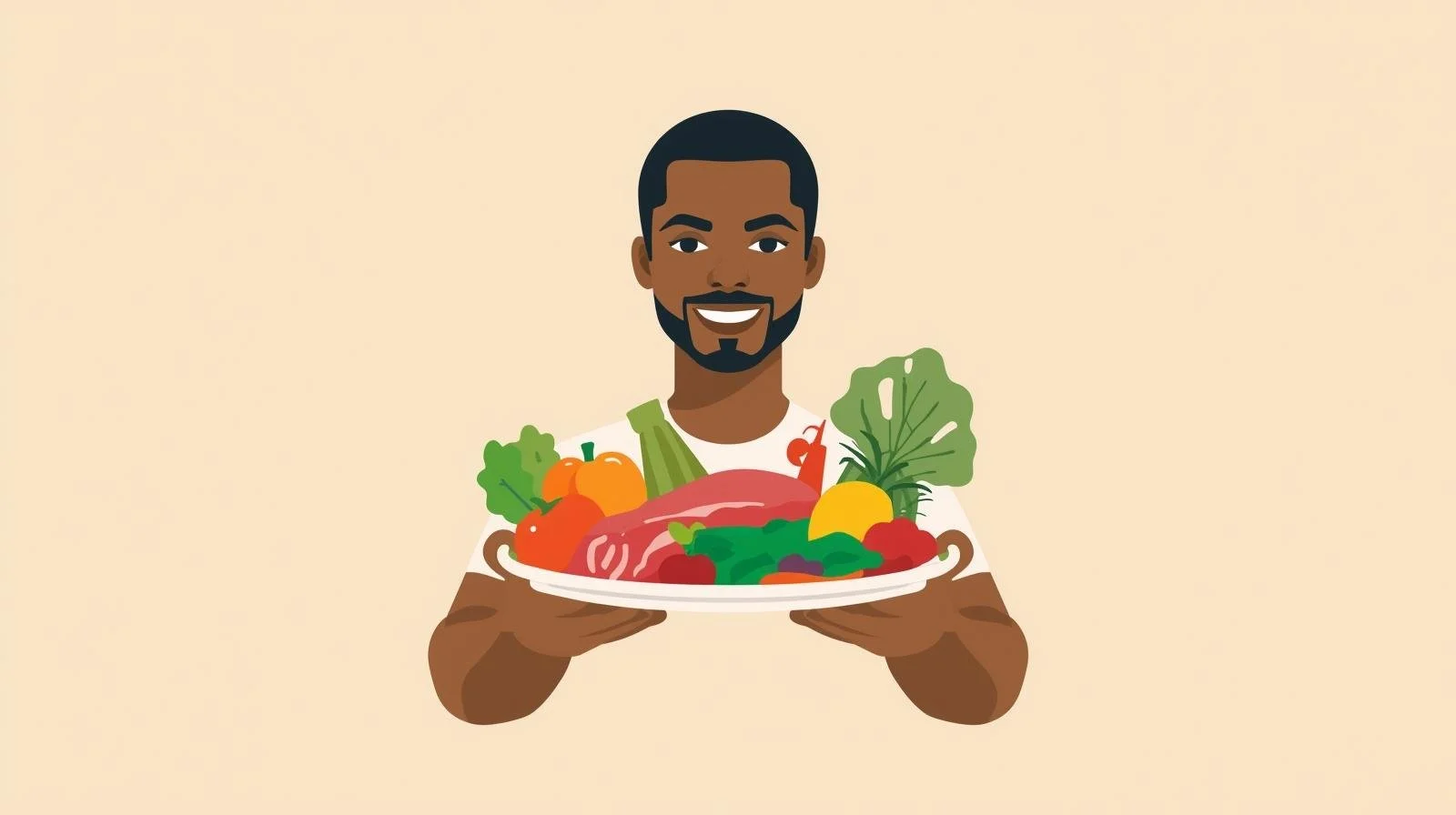
Most digestive problems are not caused by one bad meal. They develop when digestion is repeatedly rushed, overloaded, or forced to compensate for poor habits.
Digestion improves when inputs become predictable, gentle, and supportive. This does not require extreme diets. It requires consistent, practical changes in daily behavior.
Eat in a Calm State
Digestion functions best when the body is relaxed.
Action:
Sit down to eat.
Avoid screens during meals.
Do not eat while rushed or emotionally charged.
Result:
Calm eating improves stomach acid production, enzyme release, and gut motility.
Slow Down and Chew Thoroughly
Digestion begins in the mouth.
Action:
Chew food until soft before swallowing.
Pause between bites.
Avoid eating as quickly as possible.
Result:
Thorough chewing reduces bloating and improves nutrient absorption.
Eat at Consistent Times

The digestive system operates on rhythm.
Action:
Eat meals at similar times each day.
Reduce constant snacking.
Allow breaks between meals.
Result:
Consistency improves digestion, bowel regularity, and reduces fermentation.
Choose Simple, Whole Foods Most of the Time

The gut adapts to repeated exposure.
Action:
Prioritize foods with minimal ingredients.
Reduce ultra-processed foods.
Eat meals you can repeat regularly.
Result:
Predictable foods reduce digestive stress and irritation.
Cooking and Food Preparation Improve Digestion

Cooking and preparing food do more than change texture. They prepare the body to digest.
When you cook or prepare food yourself, the body begins digesting before the first bite. Smelling food, seeing it prepared, and handling ingredients activates digestive signals that increase stomach acid, enzyme release, and bile flow.
Food preparation is not limited to cooking alone. It includes:
Cooking (steaming, roasting, simmering, slow cooking)
Baking
Fermenting
Pickling
Stewing
Marinating
Sprouting and soaking
These processes partially break down food before it reaches the gut.
Action:
Favor cooked vegetables over large quantities of raw ones.
Prepare tougher foods thoroughly.
Use traditional preparation methods like slow cooking, fermentation, or baking.
Eat food you or someone else prepared intentionally, not rushed convenience meals.
Result:
Proper preparation:
Reduces digestive workload
Improves nutrient availability
Lowers bloating and gas
Improves tolerance and satiety
For many people with compromised digestion, prepared and cooked foods digest more easily than raw or highly processed foods.
Include Fermented Foods Regularly

Fermentation supports not only digestion but every body system by enriching and fortifying the gut with home made probiotics .
Action:
Add small amounts of fermented foods such as yogurt, kefir, sauerkraut, kimchi, or fermented vegetables or fruits to every meal possible.
Introduce slowly, working up to large portions over time.
introduction of fermented foods can cause short term unpleasant affects that are just the gut cleansing and balancing itself
Homemade is almost always best
Result:
Fermented foods support stomach acidity, mineral absorption, and gut balance.
Drink Fluids Strategically

Hydration supports digestion, but timing matters.
Action:
Drink most fluids between meals.
Drink enough water (half of body weight in oz i.e. 200 lbs person drinks 100 oz of water a day)
Take small sips during meals if needed.
Avoid large volumes of liquid with food.
Result:
Proper timing supports stomach acid and digestive efficiency.
Walk After Meals
Movement supports gut motility.
Action:

Walk for 5–15 minutes after eating.
Avoid lying down immediately after meals.
Result:
Walking reduces bloating, reflux, and improves blood sugar control.
Eat Moderate Portions
Digestive capacity is limited.
Action:
Stop eating when comfortably full.
Avoid eating to discomfort.
Let hunger return before the next meal.
Result:
Moderate portions reduce inflammation and digestive strain.
Support the Gut Without Overusing Supplements

Excess intervention often worsens digestion.
Action:
Focus on food first.
Use fermented foods before supplements.
Avoid stacking multiple gut supplements.
Result:
Stability improves digestion more than constant manipulation.
Prepare Nuts, Seeds, and Legumes Properly
Some plant foods are harder to digest.
Action:
Limit large quantities of nuts and seeds.
Choose soaked, sprouted, fermented, or well-cooked forms.
Avoid relying on them as primary protein sources.
Result:
Proper preparation improves tolerance and mineral absorption.
Prioritize Sleep and Reduce Stress
Digestion repairs during rest.
Action:
Maintain consistent sleep.
Avoid late-night heavy meals.
Reduce chronic stress where possible.
Result:
Better sleep and lower stress improve gut function and repair.
Key Takeaways
Digestion reflects daily habits.
Calm eating improves digestive output.
Food preparation primes the body to digest.
Cooking and fermentation reduce digestive load.
Walking aids motility.
Sleep and stress management are essential.
Final Thought
Digestive health is not restored by restriction.
It improves when food is prepared, eaten, and digested in ways the body is designed to handle repeatedly.
Work With William Lomax

For guidance on improving digestion while supporting strength, performance, and long-term health, work with William Lomax at WholeMax Performance.
Training options:
In-person coaching at Exile Fitness or Ground Control Baltimore
Online coaching
Email: coachlomax@wholemaxperformance.com
Website: https://www.wholemaxperformance.com
Instagram: @wholemax
Support William Lomax

If this article provided value and you want to support continued education:
Venmo: @wholemax
Cash App: @wholemax
Zelle: 301-741-0238
Support helps sustain practical, experience-based health education.