Abs in 60 Days?
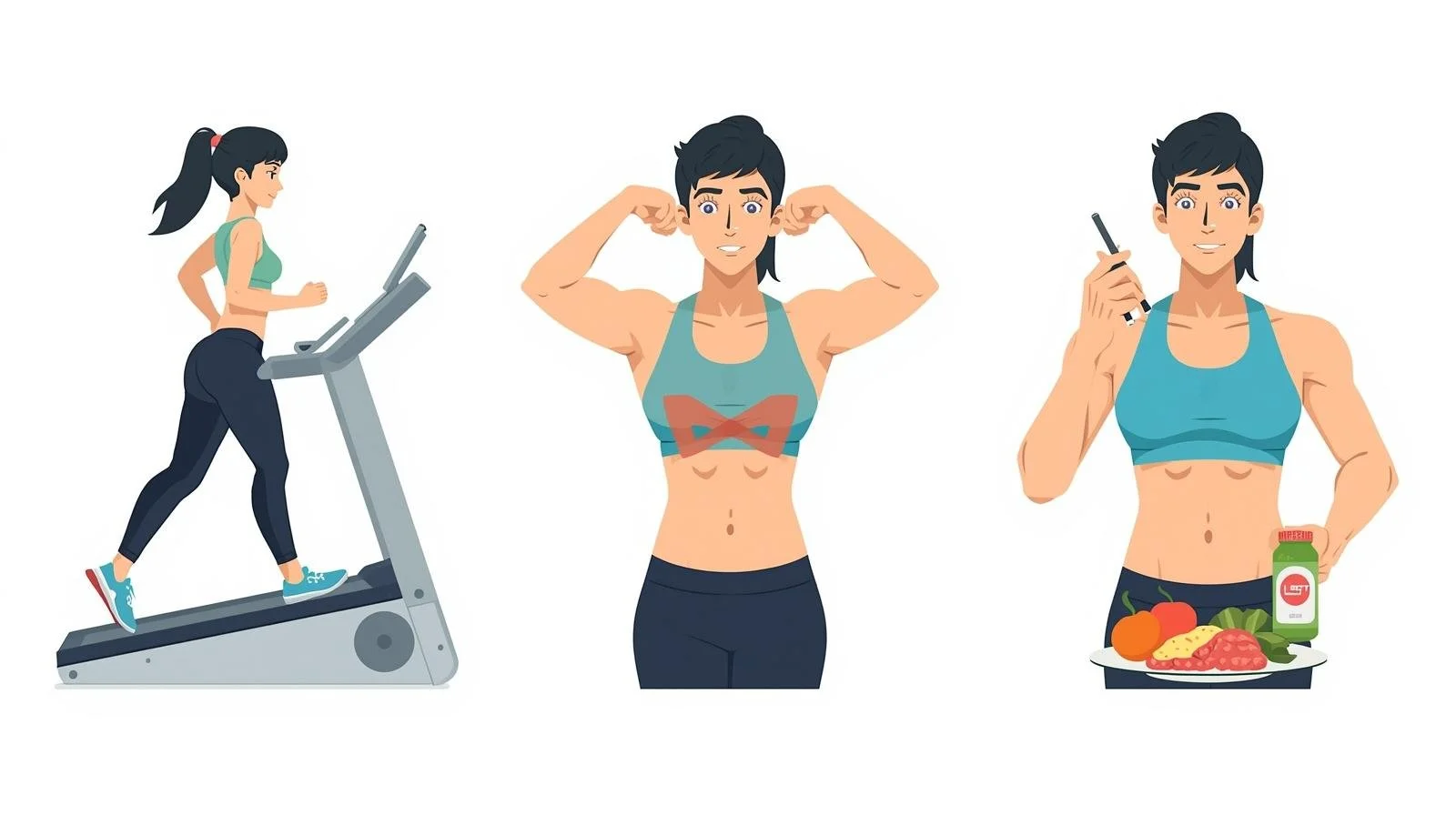
“Abs in a 60 day ” is one of the most common fitness promises or something close to it—and one of the least explained honestly.
Yes, visible abs can happen in that time frame.
But only under specific physiological conditions, and only for certain starting points.
To understand what’s realistic, you need to understand body fat percentages, not just motivation.
Is It Actually Possible?
For the right person, yes.
Visible abs are not created by ab exercises alone. They appear when:
Abdominal muscle exists
Body fat drops low enough to reveal it
Most people already have abdominal muscle. The real variable is whether they can safely reach the required level of leanness—and maintain it.
Body Fat Percentages Where Abs Typically Appear
While individual variation exists, these ranges are commonly observed:
Men
10–12% body fat: Upper abs often visible
8–10% body fat: Full ab definition for most men
<8% body fat: Stage-lean, difficult to sustain
Women
18–20% body fat: Ab outlines may appear
16–18% body fat: Visible abs for many women
<16% body fat: Athletic to competitive leanness, often hard to maintain
Genetics and fat distribution influence where abs show, but these ranges are reliable general guidelines.
Who Can Reach Ab-Level Body Fat in 60 Days Safely?
A generally safe rate of fat loss is:
~0.5–1.0% of body weight per week
Over 8 weeks, that equals roughly:
4–8% total body weight loss
That means only certain starting points can realistically reach ab-level leanness in 60 days without extremes.
More Realistic 60-Day Candidates
Men starting ~14–16% body fat
Women starting ~20–22% body fat
Athletic or previously trained individuals
Consistent training history and good recovery
Less Realistic in 60 Days
Men starting above ~18–20%
Women starting above ~24–26%
Beginners with no training base
High stress, poor sleep, or inconsistent schedules
Progress is still possible—but the timeline must be longer.
How Abs Could Be Created in 60 Days (When It’s Realistic)
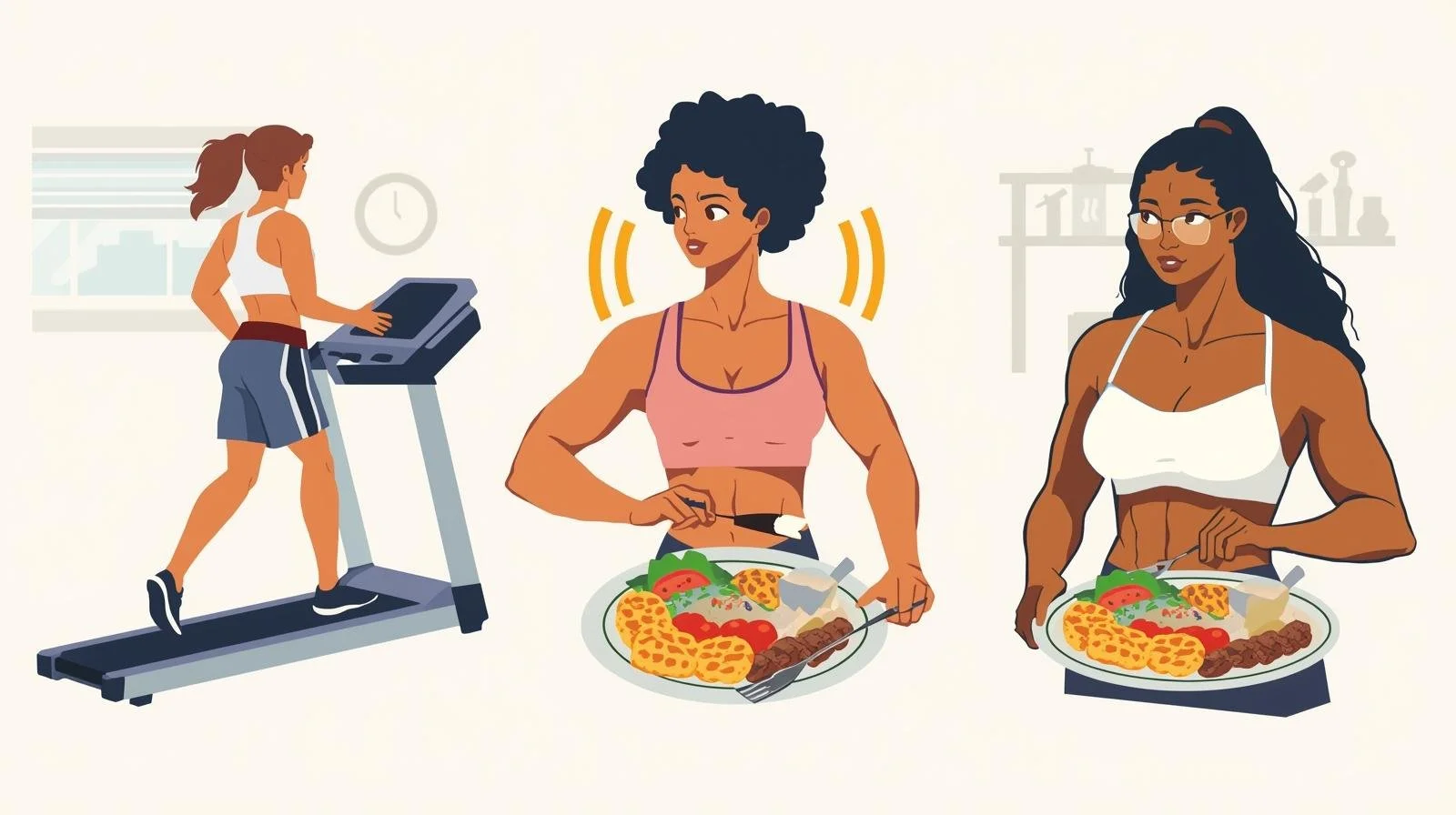
When starting conditions allow, visible abs are usually revealed through a combination of three levers:
1. Caloric Deficit (Non-Negotiable)
Fat loss requires a calorie deficit.
Typical approach:
Moderate deficit (not extreme)
Consistency over precision
No constant “cheat” cycles
Aggressive deficits increase muscle loss and rebound risk.
2. Adequate Protein Intake
Protein helps:
Preserve lean muscle
Improve satiety
Support recovery during a deficit
A common guideline:
~0.7–1.0 g of protein per pound of goal body weight
Without adequate protein, abs flatten even as body fat drops.
3. Resistance Training + Core Work
Strength training:
Preserves muscle
Maintains metabolic rate
Improves body composition
Core work:
Improves abdominal thickness and definition
Does not replace fat loss
Works best when layered onto strength training
Effective core training includes:
Loaded carries
Anti-rotation work
Controlled flexion and extension
Progressive loading, not endless reps
Sample Core Workout
Frequency: 2–4× per week
Duration: 8–10 minutes
Goal: Core strength and definition, not fatigue
1. Dead Bug
3 × 6 reps per side
Slow, controlled
Lower back stays flat
2. Hanging Knee Raise (or Captain’s Chair)
3 × 8–10 reps
No swinging
3. Pallof Press (Cable or Band)
3 × 10 reps per side
Brief pause at extension
4. Front Plank (Weighted if capable)
2 × 30–45 seconds
Stop before form breaks
Guidelines
Rest 30–60 seconds
Maintain tension and controlled breathing
Leave 1–2 reps in reserve
Context
Core training shapes abs
Fat loss reveals them
4. Cardio and Daily Activity
Cardio supports fat loss by increasing energy expenditure.
Most effective for ab-focused phases:
Walking
Incline treadmill work
Cycling or rowing at low intensity
High daily movement often matters more than intense cardio sessions.
The Reality
This approach works only while all three levers are consistently applied. Once they’re relaxed, abs fade quickly.
Why Abs Disappear Faster Than They’re Built
Abs sit at the edge of energy balance.
Once:
Calories increase
Activity decreases
Training consistency drops
Sleep or stress worsens
Body fat returns—often in half the time it took to lose it.
This is normal physiology, not failure.
The Genetic Elite (and Why They’re Rare)
A very small percentage of people naturally maintain:
Low body fat year-round
Strong appetite regulation
Favorable fat distribution
Often estimated at well under 1% of the population, these individuals are heavily overrepresented in fitness marketing and social media.
They are not a realistic comparison point for most people.
Abs as a Phase, Not a Permanent State
For most people, visible abs are best treated as:
A short-term goal
A seasonal focus
A checkpoint—not an identity
Long-term success comes from:
Strength
Muscle
Consistent habits
Sustainable body fat ranges
Fitness does not require year-round abs.
Key Takeaways
Abs require specific body fat levels, not just effort
Men often need ~8–12%; women ~16–20%
Only certain starting ranges can reach this safely in 60 days
Cardio, core work, and a calorie deficit must work together
Abs disappear faster than they appear
Sustainable habits matter more than timelines
Final Thought
If your starting point allows it, abs in 60 days may be achievable.
Keeping them requires living at that edge continuously.
The smarter goal isn’t permanent abs—it’s building habits strong enough that abs appear when you choose to pursue them.
Work With William Lomax
If you want help setting realistic aesthetic goals without sacrificing health, work with William Lomax at WholeMax Performance.
Training options:
In-person coaching at Exile Fitness or Ground Control Baltimore
Online coaching from anywhere
Email: coachlomax@wholemaxperformance.com
Website: https://www.wholemaxperformance.com
Instagram: @wholemax
Support William Lomax
If this article helped clarify your training approach or provided value, and you’d like to support the work or show appreciation, you’re welcome to contribute.
Venmo: @wholemax
Cash App: @wholemax
Your support helps sustain thoughtful, practical fitness education focused on long-term results rather than trends.
