New Year! Same You?

William Lomax’s Ultimate Hardcore Regiment & Lifestyle Challenge
Every January, motivation spikes. Gyms fill up. Promises get made.
And by February, most people are right back where they started.
This isn’t another resolution.
William Lomax’s Ultimate Hardcore Regimen & Lifestyle Challenge is a structured, disciplined approach to living that actually changes your body, your energy, and your mindset. It’s designed as a 6-week challenge, but for many it becomes a long-term lifestyle—with flexibility around holidays and real life.
This is not about comfort.
It’s about clarity, consistency, and control.
What This Challenge Is (and Is Not)
This challenge is intentionally simple, demanding, and repeatable. It is not trendy, not extreme for the sake of shock, and not endlessly customizable.
The purpose is to:
Remove excess and distraction
Restore metabolic and behavioral discipline
Build habits that compound
Prove what consistency actually feels like
The principles remain the same for everyone, while recovery capacity, stress tolerance, and life context are respected—especially for women and older adults.
1. Daily Intermittent Fasting (16 Hours Minimum)

Every day includes at least a 16-hour fasting window.
Why it matters:
Improves metabolic flexibility
Reduces constant insulin exposure
Simplifies food decisions
Builds discipline around hunger
For women:
Shorter fasting windows (12–14 hours) may be more appropriate during high-stress periods or when sleep and energy are compromised.
For older adults:
Fasting duration matters less than ensuring adequate protein intake during eating windows.
2. One 24-Hour Water Fast Every 7 Days
Once per week, complete a 24-hour water-only fast.
Why it matters:
Reinforces metabolic control
Builds mental resilience
Reduces dependence on constant eating
For women:
This practice can be optional or replaced with a very low-calorie, protein-forward day.
For older adults:
Shorter fasts or skipping a single meal often provide sufficient benefit with lower risk.
3. Daily Low-Intensity Movement

Every single day includes:
3,000–4,000 steps, or
20–30 minutes of light cardio
Walking is the preferred option.
For women:
Daily low-intensity movement supports stress regulation and hormonal health.
For older adults:
Walking, cycling, or swimming with attention to joint comfort and balance is ideal.
4. Daily Mobility, Stretching, or Mindful Movement (5–10 Minutes)
Every day includes:
Stretching
Yoga
Tai Chi
Mobility work
For women:
This supports recovery and nervous system regulation.
For older adults:
This becomes essential for joint health, balance, and fall prevention.
5. Hydration Rule: Half Bodyweight in Ounces

Daily hydration target:
Half your bodyweight in ounces
Example:
160 lb → 80 oz/day
For women:
Electrolytes may help support hydration during fasting or higher training loads.
For older adults:
Spreading intake throughout the day is often more effective than consuming large volumes at once.
6. No Processed Sugar
For the duration of the challenge:
No desserts
No candy
No sweetened beverages
Whole foods and fruit are allowed. Find a way to replace processed sugar with that from whole foods)
For women:
Adequate carbohydrate intake remains important to avoid chronic under-fueling.
For older adults:
Reducing processed sugar can significantly improve blood sugar control and inflammation.
7. Alcohol: Once a Month (If at All)
Alcohol is limited to once per month or less.
For women:
Alcohol tends to disrupt sleep and recovery more significantly.
For older adults:
Tolerance often decreases with age, making frequency more impactful than quantity.
8. Fresh, Unprocessed Food as the Default

Eat fresh, whole, minimally processed foods as often as possible.
Focus on:
Fresh Meat
Fresh Vegetables and fruits
Simple carbohydrates
Minimal ingredient lists that can easily read
For women:
Food should support energy and recovery rather than restriction.
For older adults:
Protein intake and digestibility are especially important for preserving muscle mass.
9. Resistance Training: 3 Sessions Per Week
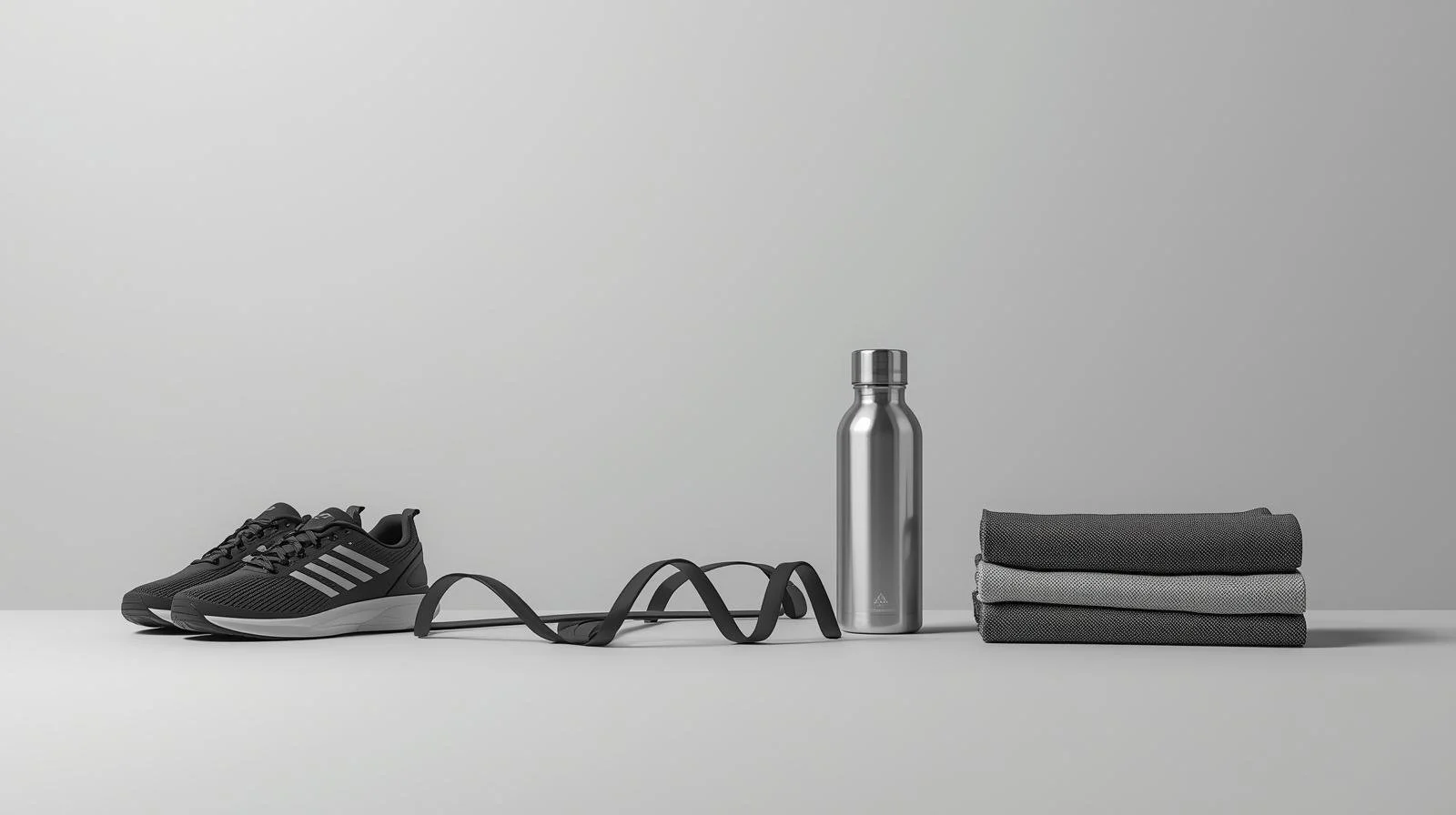
Train three times per week with intent.
Focus on:
Compound movements
Progressive overload
Sound technique
Any sort will do. Body weights, free weights, bands, ect
For women:
Strength training supports bone density and metabolic health.
For older adults:
Resistance training is one of the strongest predictors of independence and long-term mobility.
10. Sleep: 8 Hours per Day (Cumulative)
Aim for 8 hours of sleep daily, cumulative if needed.
For women:
Sleep quality strongly influences hormones and recovery.
For older adults:
Consistency and strategic naps often matter more than uninterrupted duration.

Final Thought
This challenge isn’t about becoming someone new.
It’s about removing what’s been holding you back.
New Year. Same You.
Just sharper. Stronger. More disciplined.
Work With William Lomax
If you want guidance implementing this challenge safely, intelligently, and sustainably, connect with William Lomax at WholeMax Performance.
Training options:
In-person coaching at Exile Fitness or Ground Control Baltimore
Online coaching from anywhere
Email: coachlomax@wholemaxperformance.com
Website: https://www.wholemaxperformance.com
Instagram: @wholemax
Support William Lomax
If this challenge or blog provided value, clarity, or motivation, and you’d like to support the work or show appreciation, you’re welcome to contribute.
Donate via Venmo or Cash App:
Venmo: @wholemax
Cash App: @wholemax
Your support helps sustain the time, effort, and energy that goes into creating thoughtful, no-nonsense fitness and lifestyle education. Thank you for reading and supporting the work.